Wondering what life in East Honolulu actually feels like once you get beyond the map pin? If you are considering ʻĀina Haina or one of the nearby valley communities, you are probably looking for more than a home. You want a neighborhood that fits your daily routine, offers practical convenience, and gives you a clear sense of place. This guide walks you through what stands out in ʻĀina Haina, Wailupe, Niu Valley, and Kuliʻouʻou so you can compare these East Honolulu pockets with more confidence. Let’s dive in.
Why ʻĀina Haina Stands Out
ʻĀina Haina sits in East Honolulu’s coastal-valley corridor, in an area grouped with nearby communities like Wailupe Peninsula, Niu Valley, and Kuliʻouʻou under the Kuliʻouʻou-Kalani Iki neighborhood board area. City planning for East Honolulu has emphasized modest development, which helps preserve the area’s established character. For many buyers, that translates to a more settled, residential feel.
The neighborhood also has deep roots in East Honolulu’s growth pattern. State environmental documents note that Robert Hind, Ltd. began developing Wailupe Valley as the residential community of Aina Haina in 1947. Those same records show that the future Aina Haina Shopping Center was built in 1947 on the mauka side of Kalanianaʻole Highway.
Housing in ʻĀina Haina
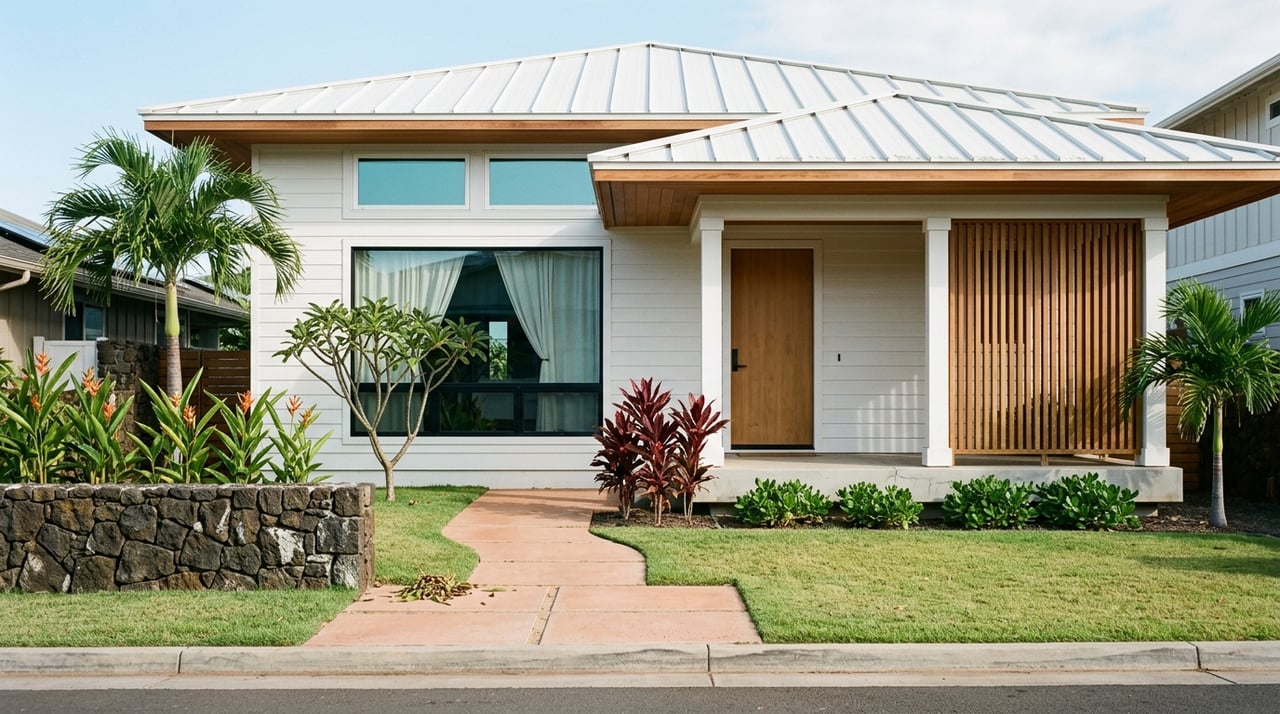
One of the biggest draws in ʻĀina Haina is its established housing stock. Local neighborhood descriptions consistently point to many original-era single-family homes built from the 1940s through the 1960s. You will often see simple, low-profile homes on mostly level lots, which can appeal to buyers who want a classic East Honolulu residential setting.
Lot patterns here are not one-size-fits-all. A practical way to think about ʻĀina Haina is as a group of micro-neighborhoods rather than one uniform area. Because of the mauka-to-makai geography and the way the streets follow valley and ridge conditions, slope, driveway layout, privacy, and views can vary quite a bit from one street to the next.
Some neighborhood guides describe many lots as falling roughly in the 7,500 to 10,000 square foot range. While that is not an official neighborhood-wide standard, it helps illustrate the generally more spacious single-family pattern that many buyers associate with this part of East Honolulu. As always, the exact lot shape and usable yard area can differ from property to property.
Daily Convenience in East Honolulu
For many households, convenience is what makes ʻĀina Haina especially livable. The Aina Haina Shopping Center offers a strong mix of everyday services, including Foodland Farms, a U.S. Post Office, banks, restaurants, fitness and wellness businesses, a veterinary clinic, and other practical stops. That means many daily errands can happen close to home instead of requiring a longer drive.
The ʻĀina Haina Public Library adds another layer of neighborhood utility. Open since October 18, 1962, the branch offers computers, Wi-Fi, meeting rooms, and free parking. For residents, it functions as both a practical resource and a community anchor.
School and Transit Access
If school access is part of your home search, ʻĀina Haina Elementary serves pre-K through grade 5 at 801 West Hind Drive. The Hawaiʻi Department of Education places it in the Farrington-Kaiser-Kalani complex area. The same DOE network also includes Kalani High and other East Honolulu schools, which gives buyers useful context when comparing nearby communities.
It is still important to verify school assignment for any specific address. Boundaries and assignment details matter, especially when you are comparing homes across multiple nearby neighborhoods. In East Honolulu, even a short move on the map can change your practical day-to-day setup.
Transit in this area is bus-based rather than rail-based, but service is available. TheBus currently lists Route 23, Route 24, and Route 80B as serving the broader ʻĀina Haina area, including Upper Aina Haina coverage and express options. TheBus has also noted a restructuring that added two-way service in Aina Haina Valley.
Outdoor Access and Recreation
East Honolulu living is not just about the homes themselves. It is also about how quickly you can get to shoreline spaces, parks, and outdoor recreation. Neighborhood board discussions regularly reference places like Wailupe Beach Park, Kawaikuʻi Beach Park, and Kuliʻouʻou Park, which shows how connected daily life here is to outdoor access.
Public records also support the idea that shoreline activity is part of the local routine. Honolulu Ocean Safety documented a response offshore of Kawaikui Beach Park, reinforcing that beach and ocean use are active parts of this corridor. For buyers, that helps paint a clearer picture of the lifestyle around these communities.
Comparing Nearby Valley Communities
Wailupe
Wailupe tends to read as more shoreline- and stream-oriented. That distinction matters if you are drawn to coastal access or if you want to pay closer attention to environmental and maintenance conditions tied to nearby water features. It is close to ʻĀina Haina, but the feel can be meaningfully different depending on the street and setting.
Niu Valley
Niu Valley is one of the adjacent neighborhood-board subdistricts associated with this broader East Honolulu area. For buyers, it often enters the conversation when comparing valley living, access patterns, and neighborhood layout across nearby pockets. Even when communities are close together, street design and topography can shape how each area feels day to day.
Kuliʻouʻou
Kuliʻouʻou has a more trail-oriented identity in the public record. Honolulu Fire Department responses to hikers on Kuliʻouʻou and Wailupe Gulch trails in Aina Haina suggest that trail access is a real lifestyle factor nearby. If your ideal East Honolulu routine includes hiking and regular outdoor activity, this can be a useful point of comparison.
What Buyers Should Watch Closely
When you narrow your search in ʻĀina Haina or nearby valley communities, broad neighborhood appeal is only the starting point. The most useful diligence points are the exact street, school assignment, and topography or drainage conditions. In East Honolulu, these details can change noticeably from one pocket to the next.
City neighborhood board records show recurring discussion around Wailupe Stream management, drainage-canal maintenance, and beach-park access. That does not mean every property has the same issue, but it does mean buyers should verify these factors before getting attached to a specific home. A careful, address-level review matters here.
A practical checklist includes:
- Confirming the exact location and street characteristics
- Verifying current school assignment for the property address
- Reviewing lot slope, drainage, and driveway layout
- Understanding how close the home is to parks, shoreline areas, or trails
- Comparing errand access and transit options for your routine
Who ʻĀina Haina Fits Best
ʻĀina Haina can be a strong fit if you want an established East Honolulu neighborhood with a suburban feel rather than a more urban one. It offers a useful mix of neighborhood services, established single-family homes, public-school access, transit coverage, and nearby outdoor options. For many buyers, that combination is what makes the area stand out.
It can be especially appealing if you value day-to-day practicality. Being able to handle errands locally, use community resources like the library, and still stay connected to parks and shoreline access creates a lifestyle that feels both grounded and convenient. That balance is a big part of the area’s appeal.
If you are comparing micro-markets in East Honolulu, it helps to look beyond the neighborhood name and focus on how each pocket supports your routine. That is often where the real differences show up.
If you want help comparing ʻĀina Haina with nearby East Honolulu communities and narrowing the right fit for your lifestyle, connect with Raymond Kang for clear, data-informed guidance on your Oʻahu home search.
FAQs
What is ʻĀina Haina known for in East Honolulu?
- ʻĀina Haina is known for its established single-family housing, everyday convenience at Aina Haina Shopping Center, access to public transit, and proximity to parks, shoreline spaces, and other East Honolulu communities.
What types of homes are common in ʻĀina Haina?
- Many homes in ʻĀina Haina date from the 1940s through the 1960s and are described as simple, low-profile single-family houses, often on mostly level lots.
How is ʻĀina Haina different from nearby valley communities?
- ʻĀina Haina is best understood as a collection of micro-neighborhoods, while nearby pockets can feel different based on shoreline access, trail access, stream proximity, and topography.
What daily amenities are available in ʻĀina Haina?
- Residents have access to Aina Haina Shopping Center, which includes grocery, postal, banking, dining, fitness, wellness, and veterinary services, along with the ʻĀina Haina Public Library.
What should buyers verify before buying in ʻĀina Haina?
- Buyers should verify the exact street location, school assignment, lot slope, drainage conditions, driveway layout, and nearby access to parks, shoreline areas, or trails.
Is there public transportation in ʻĀina Haina?
- Yes. TheBus serves the area with Route 23, Route 24, and Route 80B, and service updates have included added two-way coverage in Aina Haina Valley.