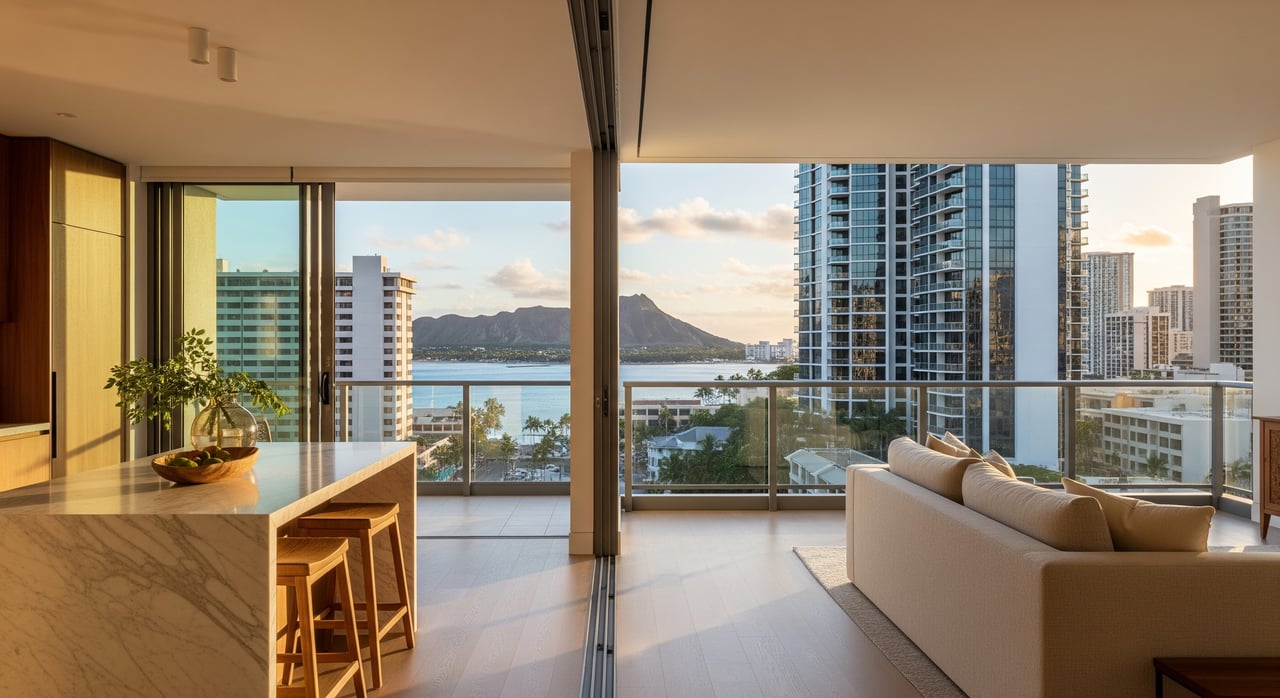
Trying to decide between a brand-new Ward Village condo and a resale in Kakaʻako? You are not alone. Both paths can work well, but the right choice depends on your timeline, budget, and how much you value customization and warranties. In this guide, you will compare pricing, incentives, finishes, HOA details, financing, rental rules, and due diligence so you can move forward with confidence. Let’s dive in.
Ward Village snapshot
Ward Village is a master-planned community in Kakaʻako, set between downtown Honolulu and Ala Moana Beach Park. The plan brings residential towers, retail, parks, and public spaces together in a walkable urban setting. Proximity to jobs, dining, and the waterfront drives consistent demand.
Kakaʻako overall mixes luxury high-rises with mid-range condos and ongoing redevelopment. Inventory varies by building age, floor plan, and view. Your trade-offs often come down to lifestyle convenience versus pure value on price per square foot.
New vs resale: net price matters
When you compare a new developer unit to a resale, do not stop at list price. Look at the total picture: incentives, closing costs, any renovations, and HOA dynamics.
Pricing and incentives
- Developer presale or inventory pricing follows the developer’s strategy and phases. Brand-new product and curated amenities often carry a premium.
- Developers may offer incentives like closing cost credits, temporary HOA credits, preferred lender programs, or finish upgrades. These can lower your out-of-pocket costs.
- Resale pricing depends on comparable sales, condition, and seller motivation. Some resales trade at a discount if finishes are dated, while renovated or rare floor plans can command a premium.
- Focus on the net effective price: list price plus or minus incentives and credits, plus any renovation cost for a resale, plus standard transfer and recording fees.
When incentives tip the scales
If a developer offers meaningful credits or a rate incentive, a new unit’s premium can narrow. On the flip side, a resale that needs new flooring, paint, and appliances can erase a perceived discount once you add labor and materials common in Hawaii.
Finishes, customization, and warranty
Your expected maintenance and upgrade timeline will look very different depending on the path you choose.
What you get brand-new
- New units often feature contemporary design, integrated appliances, and smart-home features in line with current buyer preferences.
- Early presale buyers may choose from finish packages or upgrades, subject to deadlines and premiums.
- Building systems are new, which can delay major repair needs compared with older towers.
What to expect with resales
- Condition varies widely by building age and prior owner upgrades. Some resales are move-in ready, while others may need updates to match new construction standards.
- Renovation work will be subject to association rules and city permitting. Plan for lead times, elevator reservations, and any noise restrictions.
Warranty and risk
- New condos typically include structural and systems warranties for a limited period. Review transferability and coverage details in the purchase documents.
- With resales, original warranties may have expired. You will rely more on inspections and seller disclosures to gauge risk.
Move-in timing and occupancy
Your timeline is a primary decision driver.
- Presale timeline: reservation, contract, construction, certificate of occupancy, then closing. Delivery can range from months to years, and delays are possible.
- Completed developer inventory: faster occupancy than presale since construction is done, though you will still complete orientations and punch lists.
- Resales: often the quickest path if financing is in order. Many buyers close in 30 to 60 days, depending on lender and seller timing.
If you want immediate housing, look at resales or completed developer units. If you want customization and are comfortable with a longer horizon, presales can work well.
HOA governance and fees
Association health and governance affect costs and quality of life. Understanding where a building sits in its life cycle is key.
New buildings under developer control
- Early HOA budgets are often developer-created and may not fully reflect long-term operating costs.
- Reserves at stabilization can be thin, which may increase the chance of short-term assessments as the building transitions to owner control.
- The developer typically controls the board initially. Control shifts to owners once certain milestones are met.
Established associations
- You can review historical financials, reserve studies, meeting minutes, and rule enforcement track records.
- Known upcoming assessments or deferred maintenance should appear in disclosures. You can price this risk into your offer.
What to request
- Budget and balance sheet, most recent reserve study, master insurance summary and deductibles, CC&Rs, bylaws, house rules, and recent board minutes.
- Any notices of pending assessments or legal actions.
- Owner-occupancy ratio and rental policy.
- Clarify any master association fees tied to shared parks or retail and how they are allocated.
Financing and appraisals
Your loan type and the project’s status can influence approval and value.
- Some lenders and developers offer preferred programs for new buildings. These can include closing credits or rate options that reduce your total cost.
- Not all condo projects are approved for FHA or VA loans, especially when developer control is high. If you plan to use government-backed financing, confirm project approval early.
- Appraisals for new units rely on recent comparable sales. If a new unit is priced well above nearby comps, you could face an appraisal gap.
- Cash buyers reduce uncertainty and can strengthen negotiating position for both new and resale purchases.
Taxes, rentals, and local rules
Local regulations affect both cost and revenue expectations.
- Property taxes are based on assessed value. Honolulu County offers homeowner exemptions for primary residences. Confirm whether you qualify and how to apply after closing.
- Short-term rentals are heavily regulated in Honolulu, and many buildings prohibit them through CC&Rs. Ward Village towers often have specific minimum lease terms, so verify with the association before assuming rental income.
- Factor in conveyance taxes, recording fees, and if you engage in permitted rentals, any applicable state taxes.
Appreciation vs lifestyle premium
Ward Village and Kakaʻako benefit from a strong lifestyle story: walkability, curated public spaces, and proximity to the waterfront and jobs. Scarcity of central land supports long-term value, but near-term pricing can be sensitive to new supply.
- Appreciation drivers: view orientation, floor level, proximity to parks and retail, scarcity of similar plans, and building reputation.
- Lifestyle premium: many buyers pay more for turn-key living, design, service, and amenities rather than maximizing price per square foot.
- Trade-off to consider: paying a premium for a new unit can mean fewer immediate repairs and modern systems, but your resale margin may narrow if the market leans toward lower-priced options during a softer cycle.
Which path fits your goals
Use these simple profiles to align your choice with your priorities.
- Presale buyer: You value customization and the latest finishes, and you can wait for delivery. You are comfortable with developer timelines and want warranty coverage from day one.
- Completed developer inventory buyer: You want a new unit without the wait. You are open to leveraging current incentives and prefer faster occupancy.
- Resale buyer: You want the quickest close and a known operating history for the HOA. You are willing to update finishes if needed or target already renovated resales.
Due diligence checklist
Use this checklist to compare units across buildings and life cycles.
Pre-offer
- Confirm unit type: presale, developer inventory, or resale, and expected occupancy date.
- Request comparable closed sales in the building and nearby.
- For new projects, obtain the building brochure and developer disclosures.
- Research developer reputation, past project performance, and litigation history if any.
Contract stage
- Association documents to review:
- Budget and balance sheet for the last 12 months
- Most recent reserve study
- Master insurance summary and deductibles
- CC&Rs, bylaws, and house rules
- Recent board meeting minutes and any notices of pending assessments or legal actions
- Owner-occupancy ratio and rental policy
- For developer units:
- Construction schedule and certificate of occupancy timing
- Warranty scope for structural, finishes, and mechanical systems
- Punch list and orientation process
- Any HOA subsidies or credits and when they expire
- For resales:
- Seller disclosures and maintenance history
- Recent inspection reports when available
Pre-close and walk-through
- Final HOA dues statement and any new assessments approved during escrow.
- Parking and storage rights confirmed in writing, deeded or assigned.
- Move-in rules, elevator reservations, and renovation guidelines if you plan post-close work.
- Appraisal and loan approval aligned with any premium pricing for new units.
- Homeowners insurance that meets HOA and lender requirements.
Comparison worksheet
Use this quick list to calculate your net position for each target unit.
- List price
- Developer or seller credits (closing costs, rate, HOA)
- Estimated renovation cost after closing, if any
- Estimated appraisal risk, if any
- Monthly HOA dues and any known assessments
- Master association fees, if applicable
- Parking and storage value
- Estimated taxes and exemptions eligibility
- Timeline cost of money if you must wait versus moving in sooner
Add everything up so you can compare apples to apples.
Next steps
Your best option depends on how you weigh time to occupancy, customization, HOA stability, and net price after incentives or upgrades. The good news is that Ward Village and Kakaʻako offer strong lifestyle value, and with a careful review of documents and pricing, you can make a confident choice.
If you want a clear, data-informed comparison of specific buildings and floor plans, connect with Raymond Kang for a consultation. You will get a tailored short list, an estimated net price breakdown, and a step-by-step plan to close on the right condo.
FAQs
Are Ward Village condos approved for VA or FHA financing?
- Not every building is approved for government-backed loans, especially if developer control is high, so confirm project approval with your lender before making an offer.
Can you short-term rent a Ward Village condo in Honolulu?
- Short-term rentals are heavily regulated and many buildings prohibit them through CC&Rs, so verify minimum lease terms with the association and follow county rules.
How long does a developer presale in Ward Village take to close?
- Presales follow construction schedules and can take months to years, with closing after the certificate of occupancy is issued and the developer schedules unit delivery.
What HOA documents should Kakaʻako buyers review before committing?
- Review the budget, reserve study, insurance summary, CC&Rs, bylaws, house rules, recent board minutes, occupancy ratios, rental policy, and any pending assessments.
Do new Ward Village condos include warranties and what do they cover?
- New condos typically include limited structural and systems warranties, but you should verify coverage scope, terms, and transferability in the developer’s documents.
Which is faster to move into: a new developer unit or a resale in Kakaʻako?
- A resale or a completed developer inventory unit is usually fastest, while presales require waiting for construction completion and final approvals.