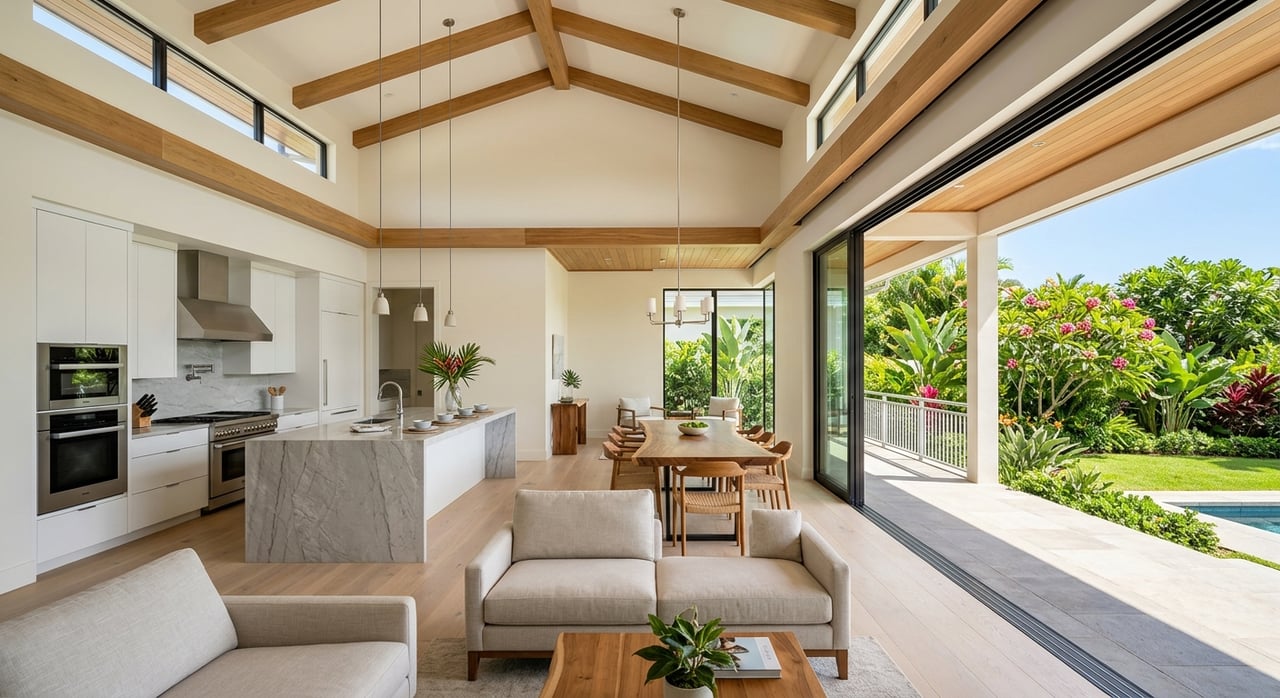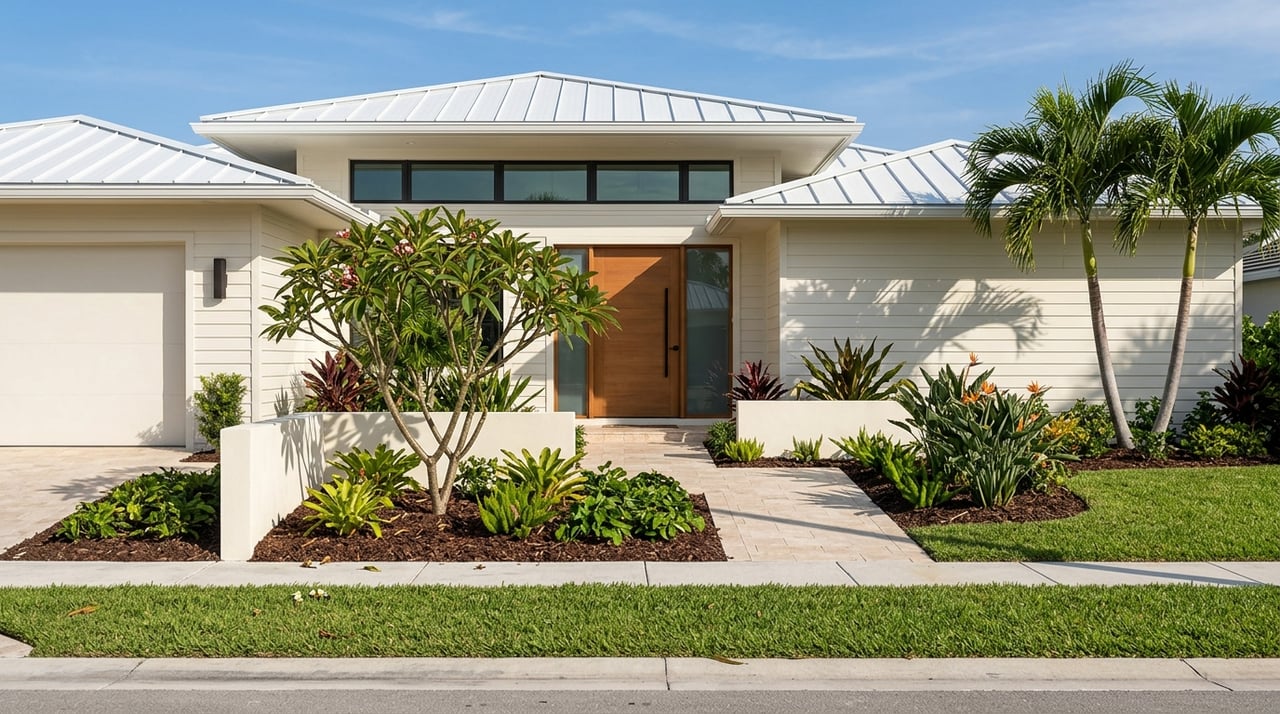
Wondering how to make your Kailua home stand out the moment it hits the market? In a coastal area where buyers often move quickly but still look closely at price, condition, and paperwork, the right preparation can shape both the level of interest you attract and how smoothly your sale unfolds. If you want to avoid rushed decisions and focus your budget where it matters most, this guide will walk you through the smartest steps before listing. Let’s dive in.
Why prep matters in Kailua
Kailua is not a market where you can rely on a single headline number and hope for the best. In the Kailua-Waimanalo single-family segment, February 2026 data showed a median sales price of $1,535,000, median days on market of 8, and 97.2% of original list price received, with 56 active listings. That combination suggests buyers can move fast, but they also have choices.
It also helps to keep those numbers in context. The Honolulu Board of REALTORS® notes that monthly median price can reflect the mix of homes sold in a given period rather than a dramatic market shift. For you as a seller, that means current comparable sales matter more than chasing one monthly median when deciding what to repair, how to present the home, and where to price it.
Kailua also sits at a higher price point than the broader O‘ahu single-family market. In March 2026, O‘ahu single-family homes posted a median sales price of $1,199,500 and 21 median days on market, which puts Kailua well above the islandwide median. Buyers shopping in Kailua are often especially attentive to condition, presentation, and documentation.
Start with what buyers notice first
If you are preparing for maximum interest, begin with the basics that shape first impressions. Research on seller preparation shows a clear pattern: decluttering, whole-home cleaning, and curb appeal improvements are among the most common and most effective recommendations before listing. These are often the highest-impact steps because buyers notice them immediately in person and online.
For many sellers, this is good news. You may not need a major renovation to make your home more compelling. Instead, your first dollars and first effort should usually go toward visible, buyer-facing improvements that make the home feel clean, cared for, and easy to picture living in.
Declutter every main space
Decluttering is one of the most widely recommended pre-listing steps. A pared-down home tends to look larger, brighter, and more photo-ready, which matters when buyers often form opinions from listing media before they ever schedule a showing.
Focus first on rooms that drive emotional connection and everyday function. Clear counters, open up floor space, reduce oversized furniture where needed, and remove extra personal items that distract from the room itself. The goal is not to erase personality completely, but to make the space feel open and easy to understand.
Deep clean before photos and showings
A clean home signals care. Whole-home cleaning is consistently one of the top recommendations to sellers, and it affects nearly every part of the buyer experience, from photos to first walk-through impressions.
Pay close attention to windows, floors, kitchens, bathrooms, baseboards, fans, and light fixtures. In Kailua’s coastal environment, salt air and moisture can leave residue that dulls surfaces faster than homeowners realize. Clean glass, fresh-smelling interiors, and bright surfaces can make a meaningful difference without requiring a large budget.
Improve curb appeal the practical way
Curb appeal matters because it sets the tone before buyers even step inside. Research shows that most REALTORS® recommend improving curb appeal before listing, and nearly all say it is important in attracting a buyer.
In Kailua, practical curb appeal often works better than an expensive exterior overhaul. Think in terms of touch-up paint, clean windows, tidy walkways, working exterior lights, a neat entry, and a front approach that feels simple and maintained. You want the home to look well-kept, not overdone.
Stage the rooms that matter most
Staging can help buyers connect with the home faster. According to 2025 staging research, many agents reported that staging reduced time on market, and some said it increased the dollar value offered. Buyers’ agents also said staging makes it easier for buyers to visualize the property as their future home.
That does not mean every room needs a full redesign. If you want the best return on effort, prioritize the spaces buyers tend to focus on most.
Focus on the living room, primary bedroom, and kitchen
The most important rooms to stage are typically the living room, primary bedroom, and kitchen. These spaces help buyers picture daily life, comfort, and flow, so they often carry outsized weight in both listing photos and in-person showings.
Simple changes can go far. Straighten furniture layouts, remove bulky or dated decor, add fresh bedding or towels where appropriate, and keep the kitchen clean and lightly styled. The living room, in particular, should feel open, bright, and easy to gather in.
Make your listing media work harder
Presentation is not just about the home itself. It is also about how the home appears in photos, video, and virtual tours. Buyers’ agents ranked photos, traditional staging, videos, and virtual tours as highly important to clients.
That means your home should be fully ready before photography begins. If a room is only half-finished, buyers will still see that. In a market like Kailua, where many buyers compare several strong options at once, polished media can be a major advantage.
Choose repairs with resale in mind
One of the biggest mistakes sellers make is spending heavily on upgrades that do not meaningfully improve buyer response. If your goal is maximum interest, it is usually smarter to focus on repairs and updates that buyers notice quickly and that support confidence in the home’s condition.
Research on remodeling impact points to visible, practical improvements rather than highly customized renovations. Projects commonly recommended before listing include painting and roofing-related work, while buyer demand has remained strong for kitchen upgrades and bathroom improvements.
Prioritize visible maintenance
Fresh paint is often one of the simplest and most effective updates. Painting the entire home or even a single interior room can make spaces feel cleaner, brighter, and more current. This is especially useful if your walls show wear, fading, or strong personal color choices.
If your roof has visible wear or there are clear maintenance issues, those items deserve attention too. Buyers tend to notice signs of deferred maintenance, and they may assume larger hidden issues if obvious items are left unresolved.
Avoid over-improving
A major custom remodel is not always the best move before listing. In many cases, you are better off spending on repairs, touch-ups, and clean presentation than on expensive finishes that may not match what the next buyer wants.
That is especially true in a market where pricing should be grounded in current comparable sales. The right strategy is often to support your price with condition and presentation, not to chase every possible upgrade.
Prepare for Kailua’s coastal conditions
Selling in Kailua comes with a layer of due diligence that inland sellers may not face as directly. Hawai‘i’s coastal policy framework recognizes hazards that can affect shoreline and low-lying properties, including coastal erosion, flooding, tsunamis, hurricanes, sea level rise, and other natural risks. Even if your property is not directly oceanfront, buyers may ask detailed questions if the home is near the shore or in an area with known exposure.
That makes documentation part of your preparation plan, not just an afterthought. In Kailua, maximum interest often comes from a combination of attractive presentation and paperwork readiness.
Gather permit and shoreline records early
If your property includes shoreline-adjacent work, additions, decks, seawalls, or other coastal improvements, gather permit history and related records before listing. Honolulu administers Special Management Area permits and shoreline setback provisions, and those details may matter to a buyer reviewing improvements near the coast.
The state also maintains shoreline certification records, and Honolulu’s open-data system includes building permit information from the Department of Planning and Permitting. A more complete property file can help reduce uncertainty and make your listing feel more buttoned-up from the start.
Review flood and tsunami mapping
If your home is low-lying, near the shoreline, or likely to raise questions about risk exposure, review the relevant mapping tools before launch. Hawaii’s flood resources identify flood zones, floodplains, and base flood elevation, and Hawai‘i Emergency Management Agency provides tsunami evacuation zone maps for Honolulu.
You do not need to over-explain what does not apply, but you should be ready if buyers ask. Having clarity early can support stronger conversations once interest builds.
Refresh landscaping for a coastal setting
Kailua landscaping needs to account for salt and wind exposure. University of Hawai‘i CTAHR notes that ocean-side landscapes can be affected by sea salt and wind, and that certain plantings are better suited to exposed coastal conditions.
Before listing, remove dead or wind-burned foliage, simplify planters, and keep the yard tidy and intentional. In exposed areas, durable, salt- and wind-tolerant planting choices generally make more sense than delicate landscaping that looks stressed.
Get disclosure-ready before you list
Hawaii seller disclosure rules are an important part of your prep timeline. Under HRS Chapter 508D, the disclosure statement must be signed and dated within six months before or ten calendar days after acceptance of a purchase contract, and it must be provided to the buyer no later than ten calendar days after acceptance. Once the buyer receives it, the buyer has fifteen calendar days to review and potentially rescind.
That timing matters because disclosures should not be treated as last-minute paperwork. If you discover a later material fact that directly, substantially, and adversely affects value, the disclosure may need to be amended within ten calendar days after discovery, subject to the statutory timing rules.
Anticipate location-based notices
Hawaii law also requires specific notices for certain location-based conditions, including property in a special flood hazard area, tsunami inundation area, or sea level rise exposure area. For Kailua sellers, that makes coastal and flood review both a legal and practical issue.
If your property is subject to recorded declarations or similar community restrictions, you may also need to provide organizational documents, bylaws, declarations, and rules related to common areas, architectural control, maintenance, or assessments. Buyers receive an additional fifteen-day review period after receiving those documents.
Treat supporting documents as important
Some sellers assume older paperwork is just background material. In Hawaii, certain construction-related releases or waivers can count as material facts, which means repair history, defect sign-offs, or similar records may matter more than you think.
It is also helpful to remember that the seller disclosure form is not a substitute for expert inspection, professional advice, or a warranty. It is your representation as the seller, so careful preparation matters.
Make inspections easier before they happen
A smoother sale often starts with better access. Hawaii’s official PC-09 termite inspection report states that the inspection is visual, limited to accessible areas, and may leave obstructed areas uninspected. It is also considered reliable for no more than fifteen days after inspection.
That gives you a useful checklist before scheduling. Clear access to closets, attic entries, crawl spaces, utility areas, and storage zones so the inspector can reach what needs to be seen. The form also notes that the seller’s disclosure statement should be supplied before the termite report, which is another reason to get organized early.
If your home was built before 1978, federal law adds lead-based paint disclosure requirements. Sellers must disclose known lead-based paint and hazard information, provide available records and reports, and give buyers the required lead hazard pamphlet.
Price from current comps, not emotion
Preparation gets buyers in the door, but pricing still shapes the level of interest you receive. In Kailua, where monthly median figures can shift based on the mix of homes sold, pricing from current comparable sales is more reliable than anchoring to a single headline statistic.
A disciplined pricing strategy can help your home attract serious attention quickly while supporting credibility with buyers who are watching value closely. Overpricing can limit momentum, especially when buyers have enough options to compare condition, location, and documentation side by side.
The best time to list is usually when your home is photo-ready, documentation-ready, and priced from the most relevant current comps available. That combination gives you the strongest chance to generate meaningful interest from the start.
If you are planning to sell in Kailua, a well-prepared launch can do more than make your home look good. It can help buyers feel confident in what they are seeing, what they are reviewing, and how your home compares in the current market. For a data-informed, polished strategy tailored to your property, connect with Raymond Kang.
FAQs
What should you fix first before selling a Kailua home?
- Start with visible, buyer-facing issues such as clutter, cleaning, paint touch-ups, exterior appearance, and obvious deferred maintenance.
Do you need to remodel before listing a Kailua home?
- Usually not. Research supports focusing on practical, visible improvements like paint, curb appeal, and maintenance rather than large custom renovations.
Why does pricing accuracy matter in Kailua?
- Kailua buyers often move quickly but still compare homes carefully, so pricing from current comparable sales can help attract stronger early interest than relying on one monthly median.
What disclosures should Kailua home sellers prepare for?
- Hawaii sellers should prepare the required disclosure statement and review whether location-based notices, community documents, or material repair records apply to the property.
What coastal documents may matter when selling a Kailua property?
- Depending on the property, buyers may ask about permit history, shoreline-related records, flood zone information, or tsunami evacuation mapping.
How should you prepare for a termite inspection in Hawaii?
- Clear access to closets, attic points, crawl spaces, utility areas, and other accessible spaces so the visual inspection can be completed more thoroughly.