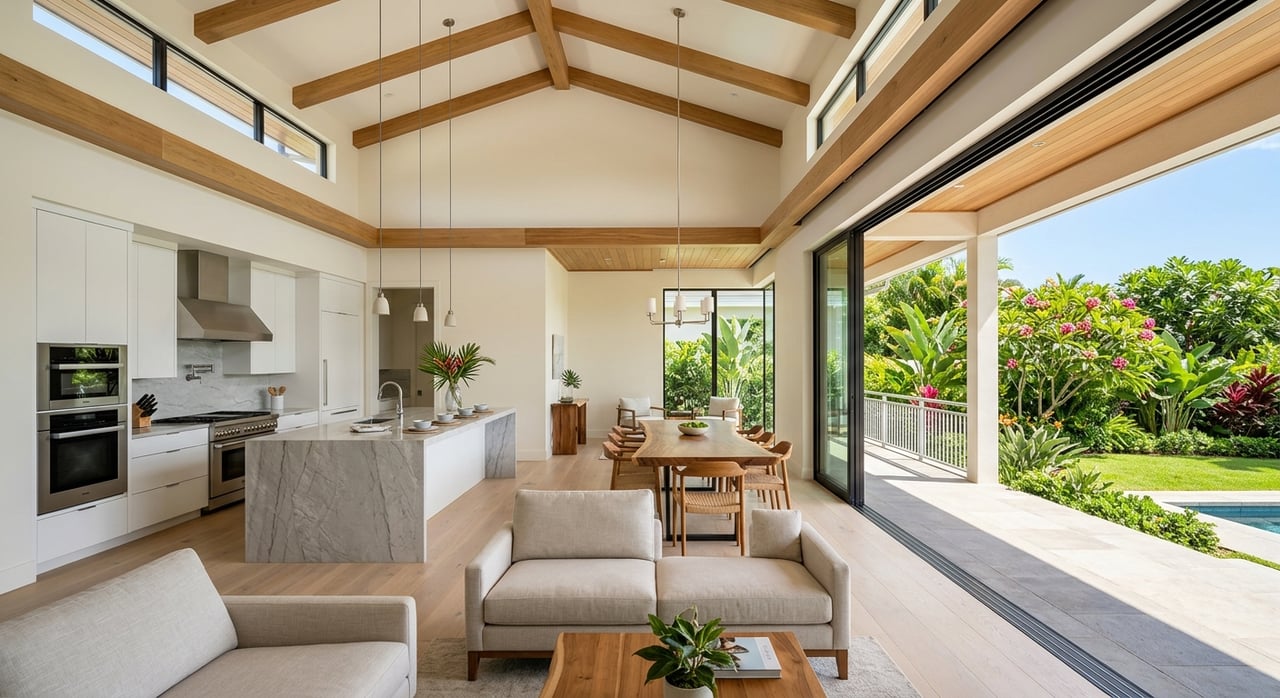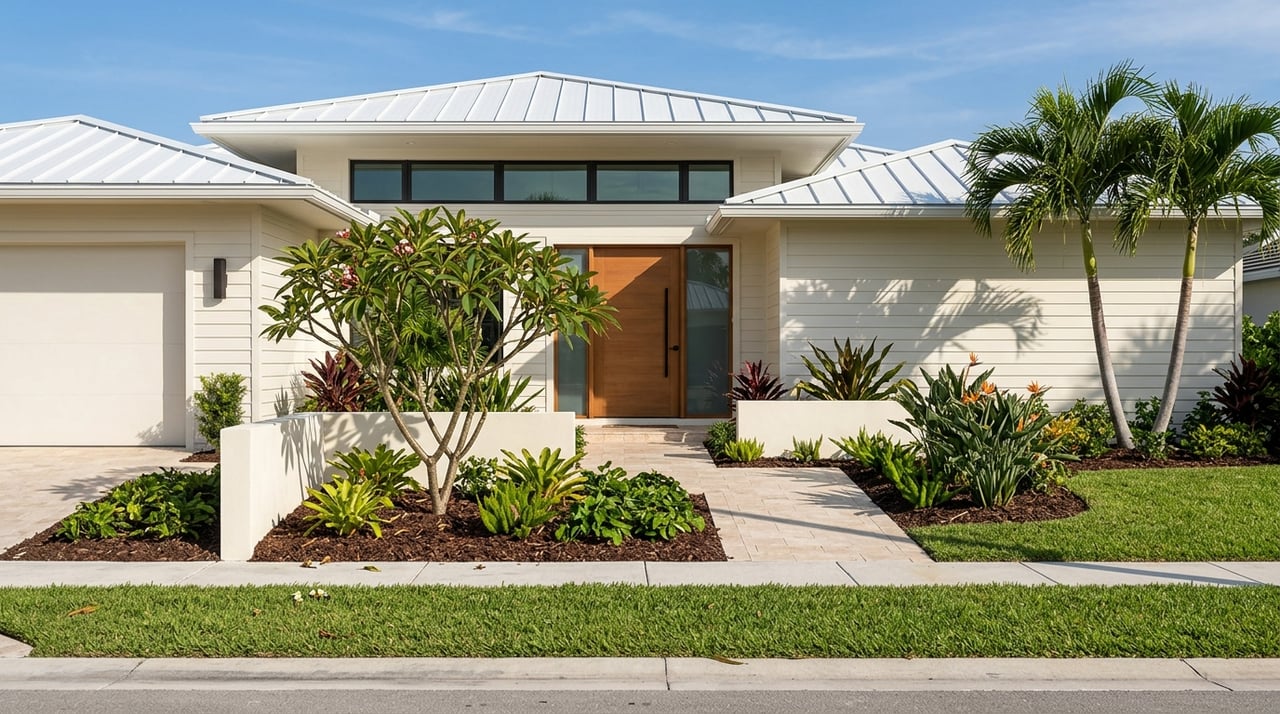
What would your Niu Valley home sell for today, and how do you price it with confidence in a shifting market? You know that every property in this hillside neighborhood is unique, and small differences can swing value. In this guide, you will learn a clear, data-driven approach that reflects Niu Valley’s micro-markets, seasonality, and buyer behavior. You will leave with practical steps, a launch timeline, and a checklist you can start using now. Let’s dive in.
Why Niu Valley pricing is unique
Niu Valley is made up of primarily single-family homes with varied lot sizes, street elevations, and orientations. Ocean, valley, and mountain views often create meaningful price differences, even on the same block. That is why micro-market analysis matters more here than broad zip code averages.
Demand in many Oʻahu neighborhoods is shaped by local buyers, second-home purchasers, and out-of-state interest. Inventory stays tight due to limited land and zoning, which supports higher price per square foot than many mainland markets. Seasonality also matters. Buyer activity often rises from late fall through early spring, which can influence pricing and launch timing.
Step 1: Define your micro-market
Start small. Compare your home to properties on the same or nearby streets within about a quarter to a half mile. For hillside homes, match elevation and lot aspect so you are comparing similar views and access. Keep property type consistent. Single-family homes should be compared to single-family homes.
Think about the most likely buyer set for your property. A move-in ready home with views may attract a larger pool, including out-of-state cash buyers. A home that needs work may draw more local owner-occupiers seeking value. Your buyer set will shape both pricing and marketing decisions.
Step 2: Build micro-comps that matter
Pull the most recent 3 to 6 months of closed sales in your micro-market. If there are not enough sales, extend up to 9 to 12 months and plan to adjust for time. Include pending and active listings to understand your competition and how buyers will anchor their expectations.
Aim to collect 6 to 12 comparable sales. Track the essentials for each: gross living area, lot size, beds and baths, year built and remodel history, view quality, parking and garage, orientation and slope, condition level, and any permitted additions. Exclude outliers such as unusual estate sales, unpermitted major additions, or unique lot anomalies that do not reflect typical buyer preferences.
Step 3: Quantify adjustments with local data
Establish a per square foot baseline from your closed comp set that matches property type and view as closely as possible. Then layer in targeted adjustments for features that differ. Focus on major value drivers such as an added bathroom, full kitchen or bath remodels, view tiers, usable lot area, and permitted living area. When the market is thin, derive per-feature adjustments from differences across your comps rather than using generic rules of thumb.
If you include older comps, apply a time adjustment that reflects recent neighborhood pricing trends. Condition deserves special attention in Niu Valley. Compare renovated sales to unrenovated ones to estimate remodel premiums. Lastly, consider the financing mix. Cash-heavy buyer pools can support stronger pricing, while appraisals tied to loans will pull list price back toward supportable comps.
Step 4: Time your launch to demand
Timing can amplify your results. Listing during the typical fall to spring activity window can allow slightly more aggressive pricing if your home shows well. In slower months, consider a more competitive price or raise your staging and marketing game to offset softer traffic.
Measure the micro-market’s current inventory and months of supply using the most recent MLS data. Low months of supply signals seller leverage. High months of supply suggests you should position your home more competitively to earn early showings.
Step 5: Price positioning for the first 14 days
Your first two weeks are critical because buyers and agents prioritize new listings. Search platforms reward recency, and most serious buyers tour during the first weekend. Use that window to create urgency and clarity.
Common tactics:
- Market price. List near the derived market value to attract qualified buyers and align with appraisals. This is a strong default for most sellers.
- Slightly under a threshold. Pricing just below a major search filter can increase visibility and showings. For example, select a price that captures more buyer alerts and saves.
- Avoid overpricing. Listing well above market often reduces exposure and invites stale days on market. That can lead to lower eventual proceeds than a well-positioned launch.
Presentation matters. Professional photography, a virtual tour, an accurate and compelling feature list, and clear documentation of permitted improvements will improve conversion from showings to offers.
Step 6: Review and refine quickly
Set a review cadence before you launch. Evaluate traffic and feedback at day 7, and again at day 10 to 14. If showings are low and buyers mention price concerns, consider a measured price adjustment or a marketing upgrade such as enhanced staging or a refreshed photo set.
Use objective triggers to guide your decisions. If your price per square foot sits above the comparable range and you are not receiving offers, adjust sooner rather than later. If showings are strong but offers are not materializing, consider an offer review deadline or small incentives to prompt action.
A simple, practical pricing workflow
Use this non-technical process to get to a realistic range:
- Identify 6 to 12 recent sales closest to your property with the same type and similar views.
- Remove outliers such as unusual distress sales or properties with large non-comparable additions.
- Establish a per square foot baseline from the most similar sales, then adjust for size, beds and baths, condition level, and views.
- Consider current actives and pendings to understand buyer alternatives and set expectations.
- Place your target list price within the derived range based on your goals: speed, maximum price, or balanced exposure.
- Confirm financing and appraisal support using the most recent closed comps so you do not risk an appraisal gap.
First 2 weeks prep timeline
Getting the prep right protects your price. Here is a clear, Hawaii-focused timeline you can follow.
8 to 6 weeks before list
- Order a local market CMA and schedule a pre-listing consultation for an in-person walkthrough.
- Address major repairs first such as roof leaks, safety issues, and structural items. Termite and moisture are common in Hawaii, so secure documentation for any treatments.
- Gather utility statements, property tax records, HOA documents, and permits for past remodels.
5 to 3 weeks before list
- Complete cosmetic updates with positive ROI. Neutral paint, minor kitchen or bath refreshes, hardware swaps, and landscape clean-up can go a long way.
- Declutter and depersonalize. Consider short-term storage to open up rooms and improve staging.
- If budget allows, hire a professional stager that matches your price band and buyer set.
2 to 1 weeks before list
- Schedule professional photography. Add twilight photos if views or exterior lighting will feature strongly.
- Create a floor plan and a virtual tour. Draft a precise property description that highlights views, permitted work, and special systems such as solar or PV.
- Set your showing plan and open house schedule. Consider a broker preview to reach relocation agents.
Launch week (days 0 to 14)
- Go live when photos are ready so you capture peak visibility.
- Host a first Sunday open house to concentrate showings and gather real-time feedback.
- Track inquiries and comments daily. Hold pricing reviews at day 7 and day 10 to 14 based on what the market is telling you.
Post-launch review
- Strong showings but no offers. Consider an offer deadline or targeted incentives, and review price alignment.
- Weak showings. Reassess staging and photos, and consider a thoughtful price reduction or a relaunch strategy.
Local rules, permits, and risks
Plan for required Hawaii disclosures, including structural, pest, and legal items. If your home predates 1978, be prepared for lead paint disclosures. Gather permits for all remodels. Unpermitted work can reduce buyer confidence and affect financing.
Expect standard state conveyance tax and Honolulu County property tax. Rules can change, so confirm current rates and exemptions before listing. Short-term rental regulations vary by county and zone, and they influence investor demand. Oʻahu has its own zoning and enforcement. Do not assume that rules from other counties apply the same way in Niu Valley.
Insurance and risk considerations are part of pricing. Flood zones, storm surge, and tsunami evacuation areas can affect insurance costs and buyer pools. Inspections for termite, mold, and roof condition are common in Hawaii and often surface in negotiations as credits.
Buyer behavior and pricing psychology
Most buyers set hard price filters in their searches. Pricing just below a common threshold can place your home in more search results, which often increases showings in the first weekend. New listings are prioritized, so early momentum is your friend.
Multiple offers are possible for well-positioned homes in desirable pockets. Price is one factor, but terms matter. Weigh contingencies, financing strength, closing timeline, and inspection scope alongside the headline number.
Common pitfalls to avoid
- Overpricing out of the gate. You risk stale days on market, which reduces leverage and often lowers net price.
- Mixing dissimilar comps. Avoid comparing hillside ocean-view homes with interior valley homes unless you can make credible adjustments.
- Ignoring seasonality and micro-inventory. Always check current months of supply and recent trends before committing to a price.
- Skipping a pre-listing inspection. Addressing termite, moisture, and roof issues early can prevent surprise credits later.
Quick seller checklist
- Obtain a local CMA that uses 6 to 12 tight micro-comps.
- Schedule a pre-listing inspection and fix major items first.
- Confirm permits for all improvements and organize documentation.
- Choose a pricing strategy that matches your goals and seasonality.
- Stage, declutter, and book professional photography before going live.
- Publish with a complete feature list and accurate disclosures.
- Host an early open house to concentrate showings.
- Review traffic and feedback at day 7 and day 10 to 14.
- Adjust price or marketing quickly if the response is weak.
- Monitor appraisal risk by staying within supportable comp ranges.
Ready to apply this plan to your specific home and street? Work with a pricing advisor who pairs micro-market data with polished presentation and negotiation. Start a conversation with Raymond Kang to align your pricing, timing, and launch strategy for Niu Valley.
FAQs
How many comparable sales should a Niu Valley seller use?
- Plan on 6 to 12 recent closed sales in your immediate micro-market, plus active and pending listings for context.
How quickly should I adjust if my Niu Valley listing has no offers in week one?
- Review showings and feedback at day 7, then prepare a pricing or marketing adjustment by day 10 to 14 if traffic or feedback is weak.
Should I get a pre-listing inspection for a Niu Valley home in Hawaii?
- Yes, it is strongly recommended to address termite, moisture, roof, and safety items early, which reduces surprise credits and builds buyer confidence.
How much can a kitchen remodel add to price in Niu Valley?
- It depends on scope and quality; compare recent renovated versus unrenovated comps in your micro-market to estimate a realistic premium.
What if my Niu Valley home has unpermitted work?
- Gather documentation and consult on options; unpermitted work can affect value and financing, so transparency and strategy are important.
How do short-term rental rules affect Niu Valley pricing?
- Investor demand is influenced by county zoning and enforcement; confirm Oʻahu rules specifically, since other islands such as Kauai may differ.