Sticker shock when you see the monthly maintenance fee on a Kakaʻako condo listing? You are not alone. In Honolulu’s high‑rise neighborhoods, Association of Apartment Owners (AOAO) dues are a major part of your monthly cost and can influence your loan approval. In this guide, you will learn what these fees cover, how they are calculated, how lenders treat them, and what to review before you make an offer. Let’s dive in.
AOAO dues 101 in Kakaʻako
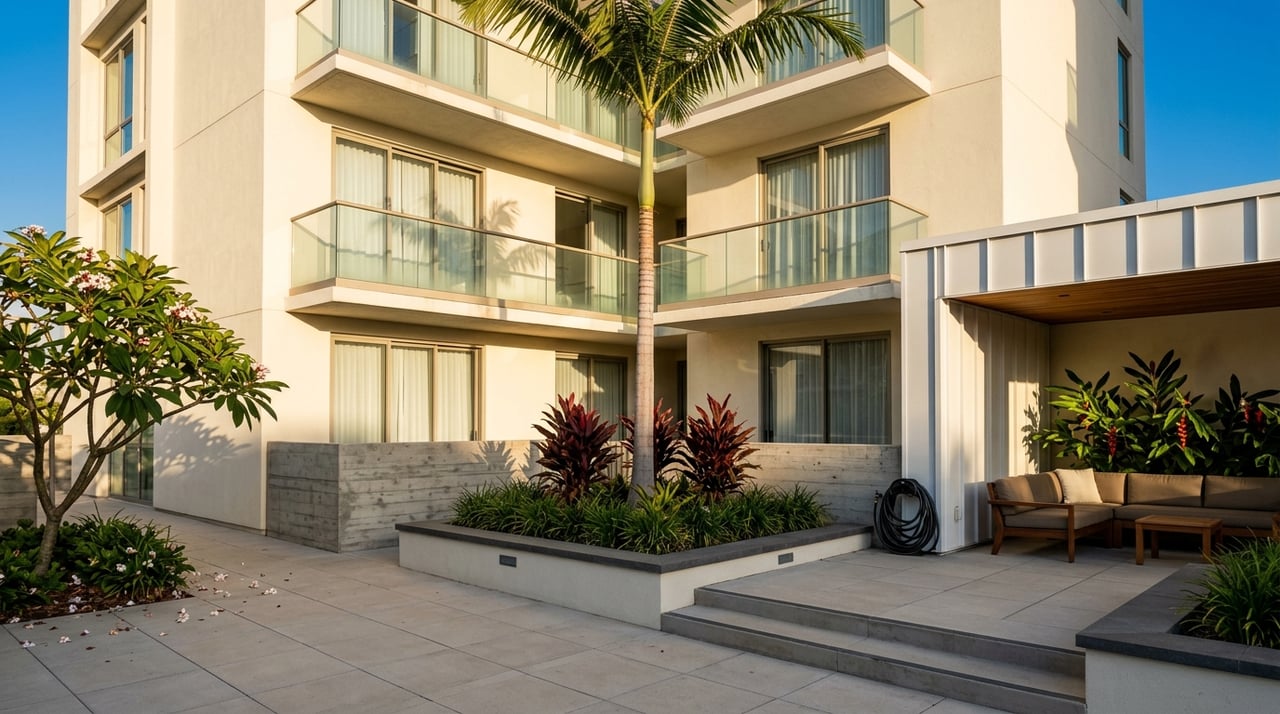
Kakaʻako and nearby Ala Moana include a mix of older mid‑rise buildings and newer luxury towers. Fees vary because each building’s amenities, staffing, age, and ownership type shape the budget. You will see that newer, amenity‑heavy towers often have higher dues to support concierge, 24/7 security, and resort‑style spaces. Older buildings may have lower monthly dues but can carry higher risk of deferred maintenance.
If you are comparing two similar‑priced condos, the monthly AOAO dues can be the factor that changes your payment comfort and even your lending options. Build these costs into your plan from day one.
What AOAO dues usually cover
AOAO dues are your unit’s share of the association’s annual budget. Coverage varies by building. Common inclusions:
- Common‑area operations: Cleaning, landscaping, janitorial, lighting, trash removal, pest control for shared spaces.
- Building systems and repairs: Elevator maintenance, common HVAC, roof care, exterior painting and repairs, pool and spa upkeep.
- Utilities for common areas: Water and sewer for common areas are common. Some buildings include in‑unit water or bulk cable or internet in the dues. Electricity inside the unit is usually separate unless stated.
- Insurance for the building: The master policy covers the structure and common elements. You still need an HO‑6 policy for interior finishes and personal property.
- Management and staffing: Professional management, accounting, legal, on‑site staff such as concierge, security, and maintenance.
- Amenities: Gym equipment upkeep, pool attendants, valet or concierge services, clubhouse supplies and utilities.
- Reserves: Monthly contributions to a reserve fund for future big‑ticket items like roof replacement or elevator overhauls.
Always confirm what is included by reading the AOAO budget and governing documents.
What dues usually do not cover
Owners typically pay separately for:
- In‑unit electricity and gas
- Cable or internet beyond any basic bulk package
- Telephone service
- Personal property and interior coverage on your HO‑6 policy
- Maintenance or replacement of in‑unit appliances and finishes
- Parking fees if stalls are assigned for a fee
Review the building’s house rules and budget notes to avoid surprises.
How your share is calculated
Allocation by percentage interest
Most Honolulu condos assign each unit a fixed “allocated interest” or “percentage interest” in the declaration. The association divides total annual expenses by these percentages to set each unit’s dues. Some buildings use flat or tiered rates, but the recorded declaration controls the method.
Operating costs vs reserves
The annual budget separates operating costs from reserve funding. Operating expenses cover day‑to‑day needs. Reserve contributions fund future capital items. A building with a robust reserve plan may pay more into reserves now to avoid large assessments later.
Reserves, special assessments, and risk
Reserve studies matter
A reserve study estimates the timing and cost of major repairs and guides how much to save each year. Ask when the last study was performed and how the current reserve balance compares to recommendations. A thin reserve in an older building can be a red flag.
Special assessments
If operating funds or reserves fall short, the AOAO can levy a special assessment. These can be one‑time or paid in installments, and the authority and voting rules are set in the bylaws. Review the history of assessments and any pending projects before you write an offer.
Common red flags:
- Low reserve balances relative to building age and needs
- Recent or pending special assessments for structural items
- Ongoing or frequent litigation
- Operating deficits or incomplete financial reporting
How lenders treat AOAO dues
Dues count in your DTI
Underwriters include monthly AOAO dues in your debt‑to‑income ratio. This applies across conventional, FHA, and VA loans. The lender may use the current dues amount from the AOAO budget or questionnaire when calculating your qualification.
Different programs, same principle
- Conventional loans: Dues are added to your monthly obligations. Lenders also review the condo project and may require a questionnaire and proof of reserves.
- FHA loans: Dues count in DTI and the building may need to meet FHA project approval standards. Reserve shortfalls or special assessments can trigger more scrutiny.
- VA loans: Dues count in DTI and the project must satisfy VA condo requirements. Special assessments and litigation are reviewed.
Condo project approval can affect financing
Even if you qualify on income and credit, project‑level issues such as high investor ratios, low reserves, or litigation can limit loan options or change terms. Ask early whether your target building is approved for your loan type.
What to review before you offer
Request and read these items early in your due diligence:
- Current annual budget and at least one prior year budget
- Most recent financial statements and current reserve balance
- Reserve study, if available
- AOAO master insurance summary and fidelity bond information
- Board and annual meeting minutes for the last 12 to 24 months
- List of recent or pending special assessments and major projects
- Declaration, bylaws, house rules, and amendments
- Condominium questionnaire or estoppel letter used by lenders
- Any current litigation involving the AOAO
- Rental percentage report and any owner‑occupancy requirements
- Management agreement if professionally managed
Use these documents to verify what dues include, how much goes to reserves, and whether any large projects could affect your costs.
Budgeting tips for Kakaʻako buyers
- Build expected AOAO dues into your monthly affordability from the start.
- Ask your lender how they will treat dues in your DTI and whether the building is approved for your loan program.
- Set aside a cushion for potential special assessments, especially in older buildings with lean reserves.
- Compare amenities against your lifestyle. Paying for a valet or large amenity deck you rarely use may not fit your priorities.
Leasehold vs fee simple notes
Kakaʻako includes a mix of fee simple and some leasehold projects. AOAO dues apply to both. Leasehold can affect loan programs, costs, and long‑term planning, so confirm lease terms early and coordinate with your lender.
How to compare buildings in Kakaʻako
Use this side‑by‑side lens when you tour or review listings:
- Fee simple or leasehold, and remaining lease term if leasehold
- Monthly dues amount and what services and utilities are included
- Portion of dues going to reserves, and date of last reserve study
- Age of the building, recent capital projects, and upcoming needs
- Amenity package and staffing level relative to how you plan to live
- Parking details, storage, and any separate fees
- Owner‑occupancy and rental percentages, and any leasing restrictions
- History of special assessments and current litigation status
A clear comparison helps you see total cost of ownership and risk beyond the list price.
The bottom line for Honolulu condo fees
AOAO dues are a core part of condo living in Kakaʻako. They fund the services, insurance, and reserves that keep your building running. The right fee level depends on the building’s needs and your lifestyle, but the best protection is doing your homework on the budget, reserves, and project health. If you align the numbers with your loan and long‑term plans, you will buy with confidence.
Ready to review AOAO documents and build a clear budget for your Kakaʻako condo search? Connect with Raymond Kang for data‑driven guidance and a calm, consultative plan from first tour to closing.
FAQs
What are AOAO fees in Honolulu and how are they set?
- AOAO fees are your share of the condo association’s annual budget, usually allocated by your unit’s recorded percentage interest in the declaration and billed monthly.
Do Kakaʻako condo fees include utilities for my unit?
- Some buildings include water or a basic bulk cable or internet package, but in‑unit electricity is usually separate unless the AOAO explicitly includes it in dues.
How do AOAO dues affect FHA or VA loans in Honolulu?
- Lenders add dues to your monthly obligations when calculating DTI, and FHA or VA may require project approval and extra documentation if reserves are low or assessments are pending.
What is a special assessment and how can I check for one?
- It is a one‑time or installment charge for major repairs when reserves or operating funds are short; review minutes, budgets, and AOAO disclosures for recent or pending assessments.
Which documents should I review before buying a Kakaʻako condo?
- Obtain the current budget, financials, reserve study, insurance summary, meeting minutes, list of assessments, governing documents, and the condo questionnaire or estoppel letter.
Do AOAO dues replace Honolulu County property taxes?
- No. AOAO dues fund association operations and reserves, while you still pay your own property tax bill separately to the county.